

Machine learning promises to streamline handling of tomorrow’s bureaucratic drudgery — and, it turns out, that of 2,500 years ago.

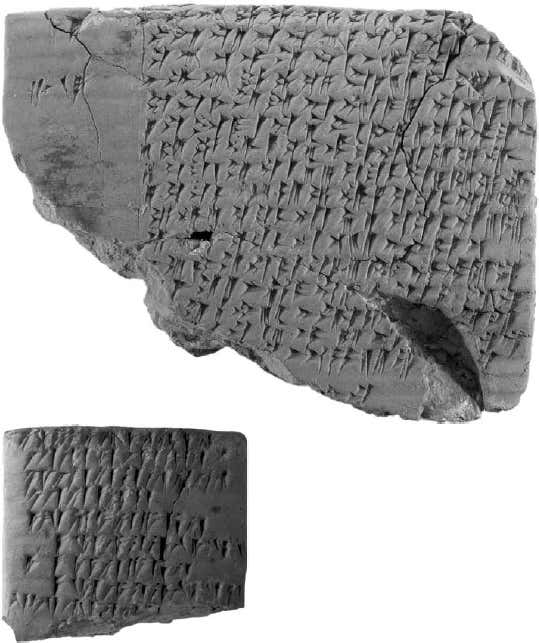
How it works: Persian scribes around 500 BCE produced thousands of documents now collected in the Persepolis Fortification Archive.
Researchers have been translating the cuneiform characters for decades. Now they hope to speed up the job with help from DeepScribe, a model built by computer scientist Sanjay Krishnan.
- The university began capturing digital images of the tablets in 2002. Students hand-labeled 100,000 symbols.
- DeepScribe was trained using 6,000 annotated images. It deciphered the test set with 80 percent accuracy.
- The researchers hope to build a generalized version that can decipher other ancient languages.
Behind the news: The archive mostly contains records of government purchases, sales, and transport of food, helping scholars develop a detailed understanding of life in the First Persian Empire. University of Chicago archaeologists found the tablets in 1933 near the palace sites of early Persian kings. They returned the artifacts to Iran in 2019.