
Significance of the Godhas
PEARLS OF WISDOM
Insights By Erv. Zarrir Bhandara
1: WHAT DO THE TWO GODHAS AT THE ENTRANCE OF OURAGIARY REPRESENT? WHAT ARE THEIR NAMES?
BY ERV. ZARRIR BHANDARA
(Erv. Zarrir Bhandara is the Head Priest of the Zarathushti Association of California Atash Kadeh and is a beacon of compassion with encyclopaedic knowledge on our Zarathushti religion and scriptures. Readers are encouraged to mail in their Queries to Erv. Zarrir Bhandara at: zbhandara@gmail.com)
(Erv. Zarrir Bhandara shares timeless nuggets of wisdom from our Zarathushti religion, exploring its spiritual insights, ethical teachings and relevance in today’s world. Whether drawn from the Gathas, sacred traditions, or the lived experiences of the Zarathushti community, each piece of wisdom serves as a guiding light in the journey of life, continuing to inspire and illuminate)
QUESTIONS FROM OUR READERS:
Q: WHAT DO THE TWO GODHAS AT THE ENTRANCE OF OURAGIARY REPRESENT? WHAT ARE THEIR NAMES? (Aloo Khajotia)
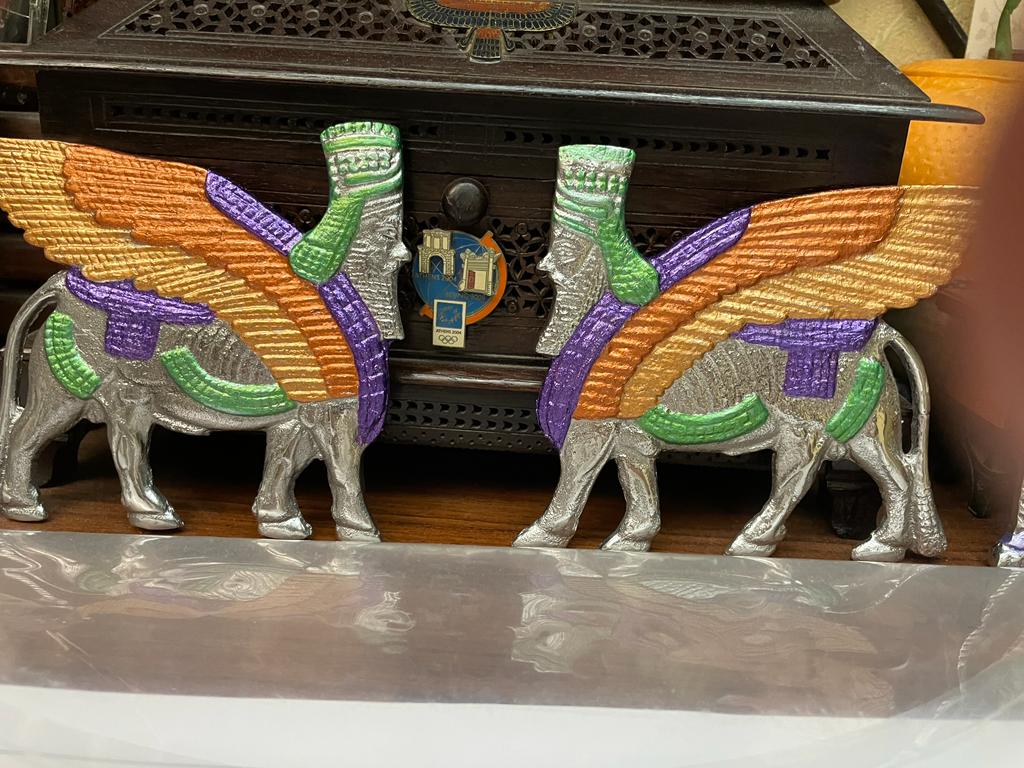
ERV. ZARRIR: Dear Aloo, the two majestic statues of human-headed winged bulls flanking the entrance of an Agiary (or Atash Behram) are known in our Parsi and Zarathushti tradition as Gopatshah (also written as Gopat-Shah or Gopatha).
Historically and archaeologically, they are derived from the ancient Persian and Mesopotamian guardian figures known as Lamassu (or Shedu).
WHAT THEIR NAMES MEAN
• Gopatshah: Translates literally to ‘King of the Bulls’ or ‘Lord of the Cattle’ (Gopathacomes from ancient Iranian roots where Go = cow/bull and Patha/Shah = king or lord).
• Gopat-Shah in Zarathushti Mythology: According to Middle Persian texts (Bundahishnand Dadestan-i Denig), Gopatshah refers to a mythical, righteous king – represented as a half-bull, half-human entity – who stands near the sacred sea Vourukasha continuously purifying ritual waters and keeping spiritual evil at bay.
WHAT THEY REPRESENT
In our religion the Gopatshah statues serve as spiritual guardians (apotropaic entities) meant to ward off evil, pollution, and negative energies from entering the holy precinct of the Agiary. They represent a combination of three distinct attributes:
ELEMENT SYMBOLIC REPRESENTATION
Body of a Bull Represents physical strength, productivity, and protection. In Zarathushti cosmology, the bull is deeply sacred, tracing back to Gavyodad (the primordial creation of animal life).
Wings of an Eagle Represents heightened spiritual awareness, elevation, and the ability to soar above worldly impurities.
Head/Face of a Man Represents human intellect, divine wisdom (Khrad), and moral reasoning.
Together, they remind every devotee entering the Agiary to approach the sacred fire with physical strength, high spiritual ideals, and clear intellectual wisdom.
The Gopatshah statues are strictly exterior guardians rather than interior purifiers:
• Threshold Sentinels:Their role is apotropaic – to guard the boundary between the outer world and the sacred inner space. They prevent external spiritual pollution (Druj) and negative thoughts from crossing into the Agiary.
• Passive Symbols:Unlike Yazatas (divine beings) who actively intercede in human worship, the Gopatshah statues serve as visual reminders to devotees before they step inside to align their own mind, strength, and intellect.
Once you pass the Gopatshah and stand before the fire, the responsibility for guiding your prayers falls to your devotion, Sarosh Yazata, and the holy fire itself.
From: Parsi Times 12-9-2026