
The Parsi Behind Thai Cinema – Rattana Pestonji
One of the masters of Thai cinema was a Parsi, born in Bangkok. 🎬
Meet Rattana Pestonji. His Parsi parents came to Thailand as railway contractors in King Rama V’s time and wanted him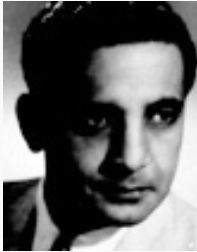 to take a safe, conventional path. He became an engineer, but the camera was his real love, and he chose it anyway.
In 1937, a film he shot won a top prize in Glasgow, with Alfred Hitchcock as jury president. His 1954 film Santi-Vina went to a film festival in Tokyo, was lost for decades, and was found again in 2014. After restoration, it played at Cannes in 2016. Today, a top prize at the Thai Short Film and Video Festival carries his name.
A South Asian story that is also a very Thai one.
Rattana Pestonji (born Rattan Pestonji; May 22, 1908 – August 17, 1970) was a highly influential Thai filmmaker, producer, screenwriter, and cinematographer who is widely celebrated as the “father of contemporary Thai cinema”.
Despite born to an Indian Parsi family in Bangkok, he became one of the ultimate pioneers of Thailand’s film industry. Pestonji fiercely advocated for artistic independence and technological advancement at a time when the domestic market was heavily saturated by foreign imports.
Key Facts & Legacy
- Technological Pioneer: He was one of the very first directors in Thailand to champion the transition from 16mm silent film to 35mm film with direct sound sync, vastly upgrading the technical standard of local cinematography.
- Tragic Passing: He suffered a fatal heart attack on August 17, 1970, while passionately giving a speech to government officials urging them to support and protect the domestic Thai film industry from being completely overshadowed by Hollywood.