
Ashem vohu manuscript found in China – Interesting but Unverified
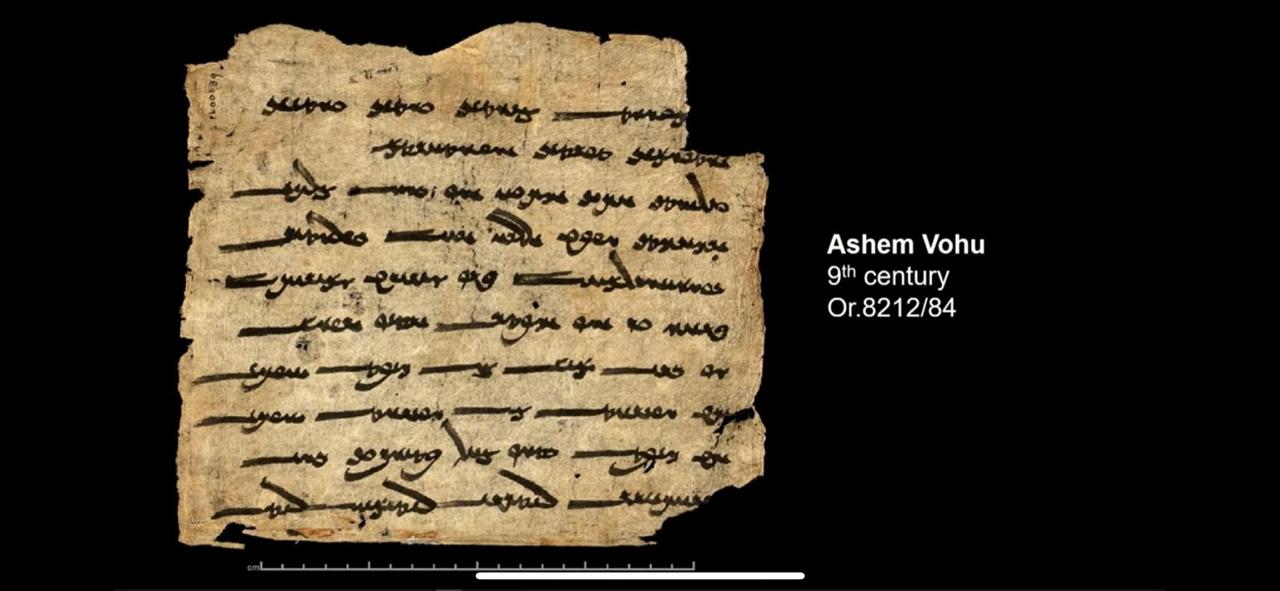
A fragment of the Ashem vohu manuscript was discovered in Cave 17, the Library Cave, at the Mogao Caves near Dunhuang in northwestern China, along the ancient Silk Road?
What makes it particularly remarkable is that it is considered the oldest surviving manuscript fragment containing an Avestan prayer, dating to the 9th century CE—approximately 1,200 years ago.
A few fascinating details:
* Discovery: Recovered by the explorer Sir Aurel Stein in 1907.
* Origin: Associated with the Sogdians, an Iranian-speaking people who were influential merchants along the Silk Road.
* Language: The prayer is Avestan, but it was transcribed in Sogdian script.
* Significance: It predates the earliest surviving Avestan manuscripts from Iran and India by approximately 400 years.
* Present location: British Library, London, catalogue number Or.8212/84.
The discovery is particularly significant for Parsi and Zoroastrian history. It demonstrates how far Zoroastrian religious traditions travelled eastwards, reaching communities in China centuries before the Parsis established themselves in India.
The manuscript also illustrates the extraordinary religious diversity of Dunhuang, where Buddhist, Zoroastrian, Christian and Manichaean traditions intersected.
You can see the original manuscript and its scholarly description in the International Dunhuang Programme’s collection.
One especially intriguing detail: the first two lines preserve the Ashem Vohu prayer, while the remaining text describes Zarathushtra addressing the supreme deity, believed to be Ahura Mazda.