
-By Hoshaang Gotla
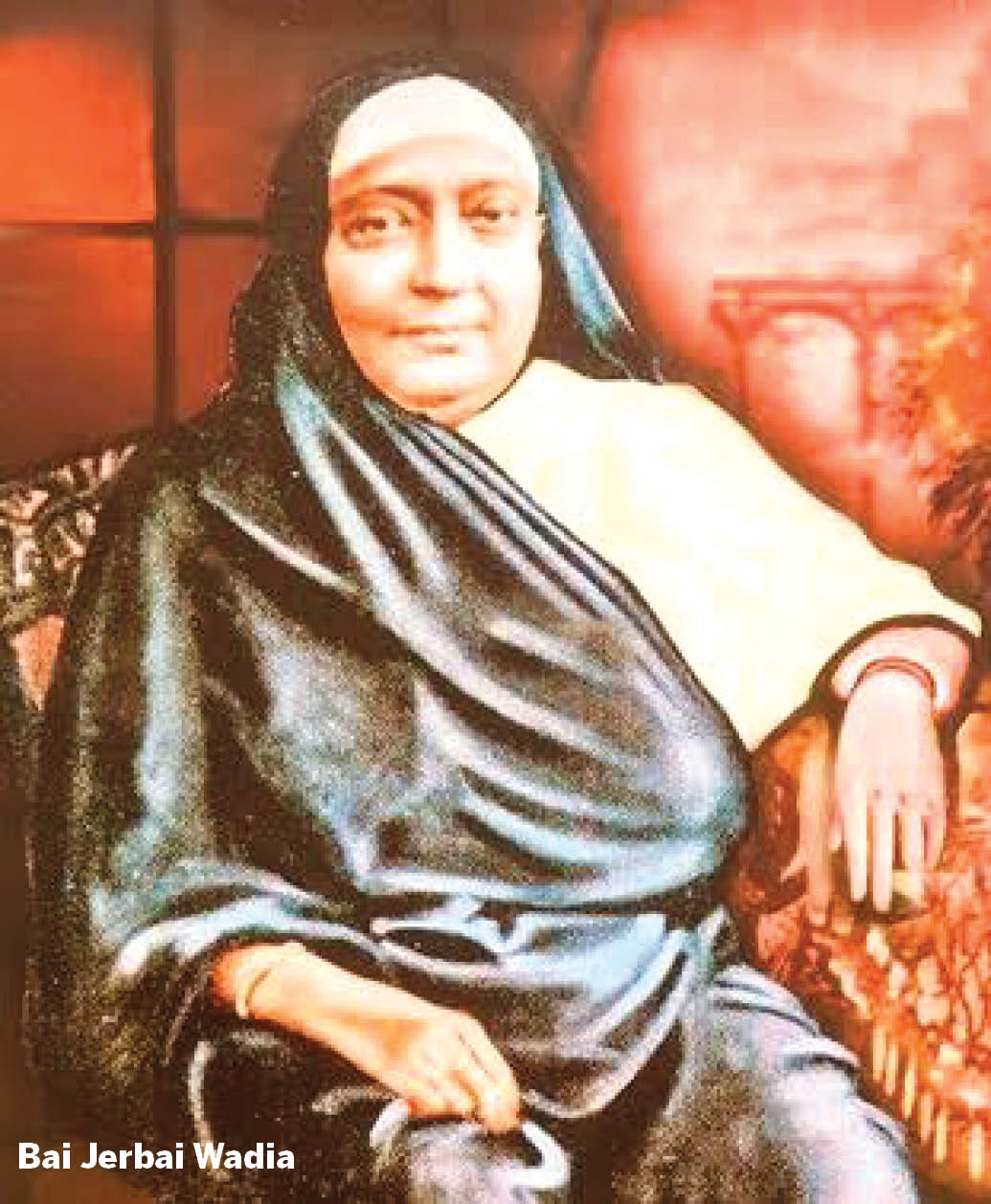
The true measure of an extraordinary life lies not in the fortunes amassed, but in the difference made to countless others, through lives uplifted, opportunities created and a legacy of compassion that transcends generations. Few embodied this spirit of visionary philanthropy more profoundly than Bai Jerbai Wadia, whose remarkable legacy continues to inspire and enrich lives long after her time.
Born in 1852, Bai Jerbai Wadia was a visionary philanthropist whose compassion, foresight and commitment to community welfare helped shape the social fabric of Bombay. Her contribution went far beyond charity. She identified a need, mobilised resources, brought people together and created institutions that continue to serve society a century after her passing.
As someone who has always believed in the power of community, collective effort and service, I find her life deeply inspiring. Her journey offers us five important lessons in Leadership, Philanthropy and Social Responsibility that are just as relevant today as they were during her lifetime…
I. Leadership Begins with Identifying a Need
At a time when many Parsi families migrating to Bombay struggled with affordable and hygienic accommodation, Jerbai recognised that having a roof over one’s head was not merely a necessity but the foundation of a better life. Her pioneering ‘baug system’ provided families with safe, affordable housing while fostering a sense of belonging and community. Nowroz Baug, established in 1908, was the beginning of a vision that would eventually extend to several residential colonies across Mumbai.
What inspires me most is that she did not wait for someone else to solve the problem. She saw a need and took the initiative to address it. Leadership, whether in an organisation, a community or the CSR space, begins with identifying a genuine need. We must move beyond asking, “What can we do?” to asking, “What is the problem that needs to be solved?” The most meaningful initiatives are those that respond to real challenges faced by people.
II. Bringing People and Resources Together Creates Lasting Change
Jerbai Wadia recognised that even the noblest vision requires resources, partnerships and collective commitment. By establishing trusts and involving her family, she ensured her housing initiatives would flourish beyond her lifetime. Her sons, Sir Cusrow and Sir Ness Wadia, carried this legacy forward, benefiting thousands of families.
My own experience with community initiatives reinforces this invaluable lesson: meaningful change is seldom achieved alone. Be it organising a charitable event, supporting a cause or creating a platform for young people, the impact comes from bringing together people who share a purpose, resources that can be channelled effectively, and the willingness to work collectively.
True philanthropy thrives on collaboration, not merely financial contributions. Uniting corporates, trusts, NGOs and individuals around a shared purpose transforms generosity into lasting impact. The ability to inspire and harness such collective effort is the essence of visionary leadership.
III. Charity Must Preserve Dignity, Not Just Provide Relief
Jerbai’s approach to housing was remarkable for its sensitivity to the circumstances of the families she wished to support. Her vision was not simply to provide accommodation, but to create an environment where families could live with security, dignity and a sense of belonging. This was philanthropy with empathy, ensuring people had the opportunity to live better lives.
True charity goes beyond providing assistance. It empowers underprivileged children, senior citizens, persons with disabilities and families in need to lead independent, confident and fulfilling lives. The greatest gift of philanthropy is the opportunity to live with dignity, rather than dependence.
IV. True Philanthropy Looks at the Bigger Picture
Bai Jerbai’s vision extended well beyond housing. She recognised the importance of healthcare, particularly for women and children, and supported hospitals, clinics and nursing initiatives. Her sons subsequently established the Nowrosjee Wadia Maternity Hospital and the Bai Jerbai Wadia Hospital for Children, fulfilling her vision of accessible and affordable healthcare.
This holistic approach reflects my belief that community progress demands more than housing alone. Healthcare, education, employment and social inclusion are equally vital. Meaningful CSR must address these interconnected needs, ensuring children receive nutrition alongside education, youth gain opportunities alongside training, and seniors enjoy companionship alongside healthcare. Sustainable development requires looking beyond isolated initiatives to create communities where every individual has the opportunity to thrive with dignity and purpose.
V. The Greatest Legacy Is One That Inspires Others to Continue
Perhaps the most powerful aspect of Bai Jerbai Wadia’s life is that her vision did not end with her. Her sons continued her philanthropic work. The Baugs became living communities. The hospitals continued to serve generations. Her values were translated into institutions that endured. This is what distinguishes a truly great leader from someone who simply achieves success. A great leader creates a legacy that continues to flourish long after they are gone.
I’ve always believed that leadership is not about being the person who does everything but about bringing people together, creating opportunities for others to contribute, empowering the next generation and ensuring that the work continues. Whether in CSR, education or community service, true success lies in building sustainable initiatives, empowering others and inspiring future generations to carry the vision forward. The greatest legacy is one that continues to flourish beyond our own efforts.
A Legacy That Continues to Inspire
Bai Jerbai Wadia demonstrated that philanthropy is not merely about wealth. It is about vision, compassion, commitment and the ability to bring people and resources together for a larger purpose.
As Bai Jerbai Baug approaches its glorious centenary in 2027, we look forward to celebrating 100 years of community, togetherness and Bai Jerbai Wadia’s extraordinary vision. Several commemorative events and initiatives are planned to honour this historic milestone and the remarkable woman behind its enduring legacy.
Beyond the festivities, I hope the centenary inspires renewed appreciation of her compassion, foresight and pioneering philanthropy, particularly among younger generations. Her story deserves to be remembered as a powerful testament to what vision, determination and selfless service can accomplish.
While we may not establish hospitals or residential colonies, each of us possesses the power to make a difference. By recognising needs, uniting people and contributing our resources, however modest, we can carry her inspiring legacy forward through meaningful acts of service. May her legacy continue to inspire us to give generously, serve selflessly and build a stronger community for generations to come!