September 21, 2024–January 12, 2025
An Epic of Kings: The Great Mongol Shahnama - exhibition

-
Dates
-
Location
Arthur M. Sackler Gallery | Galleries 23 and 24
-
Collection Area
Arts of the Islamic World
At A Glance
This exhibition focuses on a single copy of the Shahnama made around 1330 in Iran, not on the literary work completed by the Persian poet Firdawsi three hundred years earlier around the year 1010.
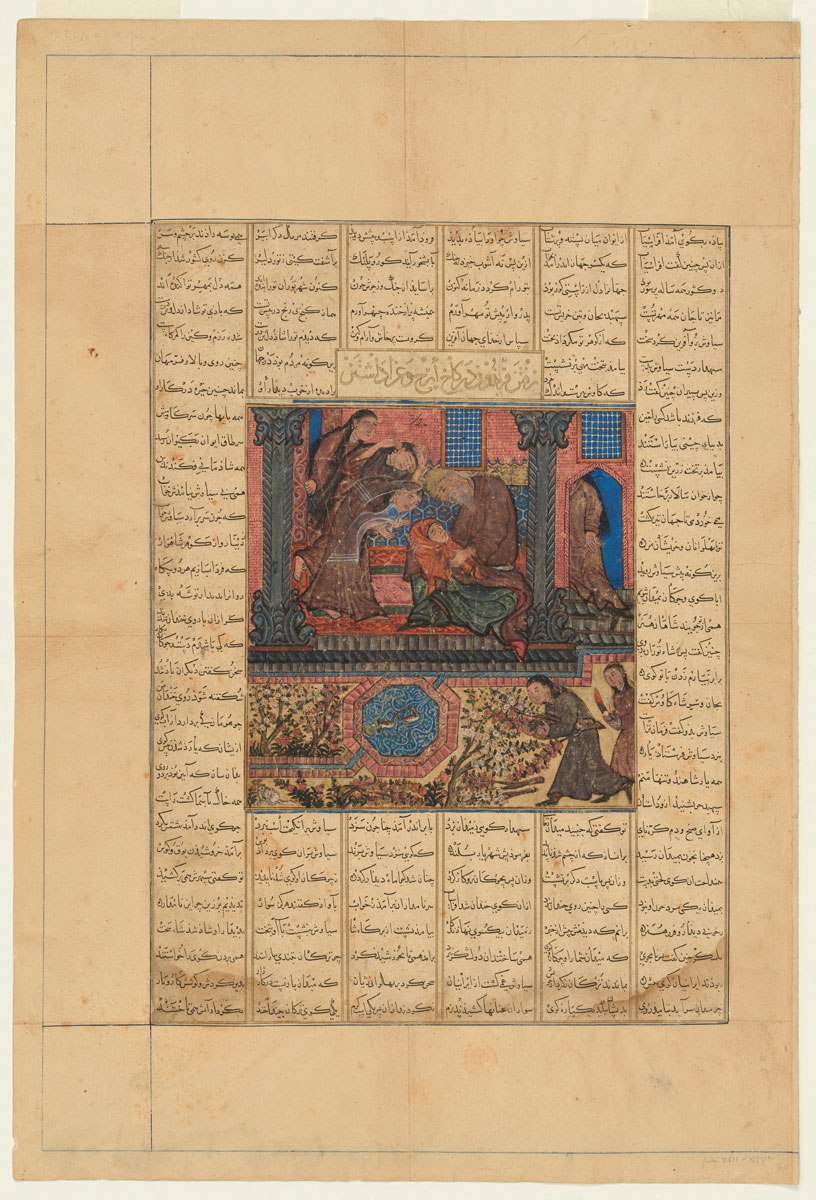
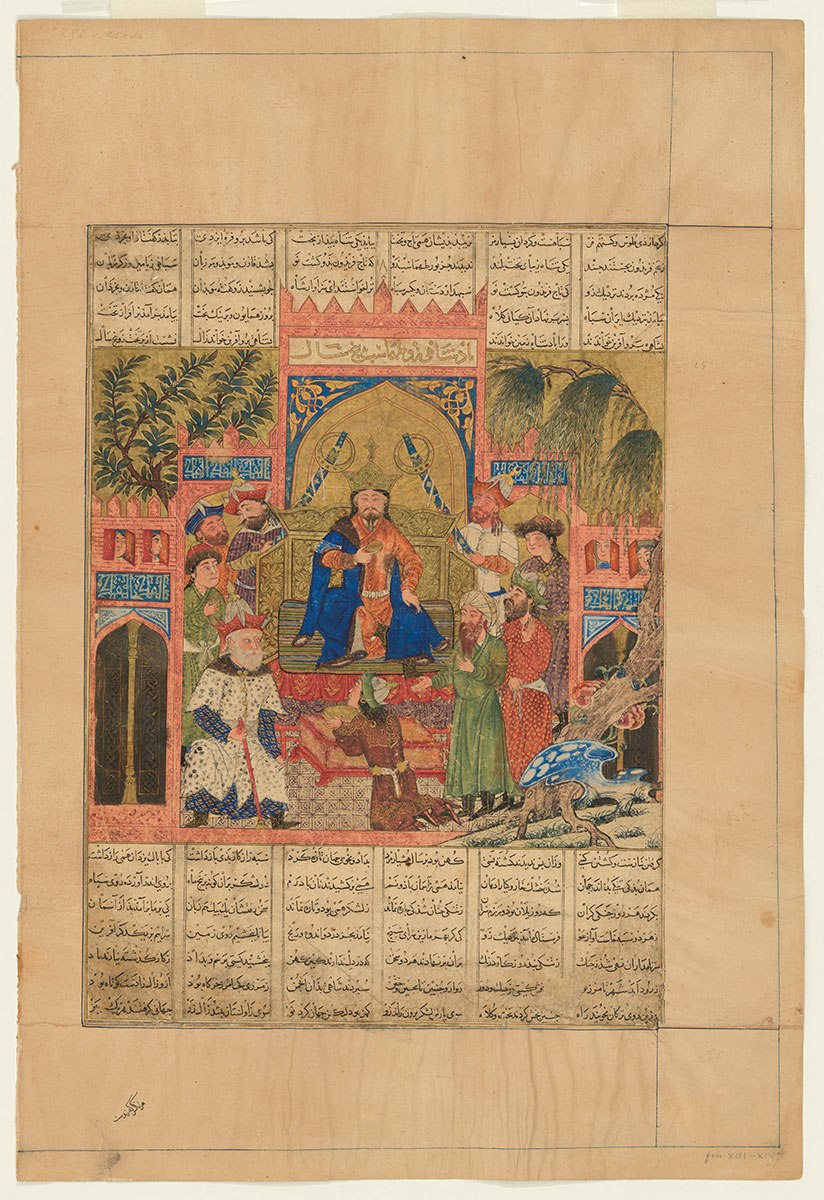
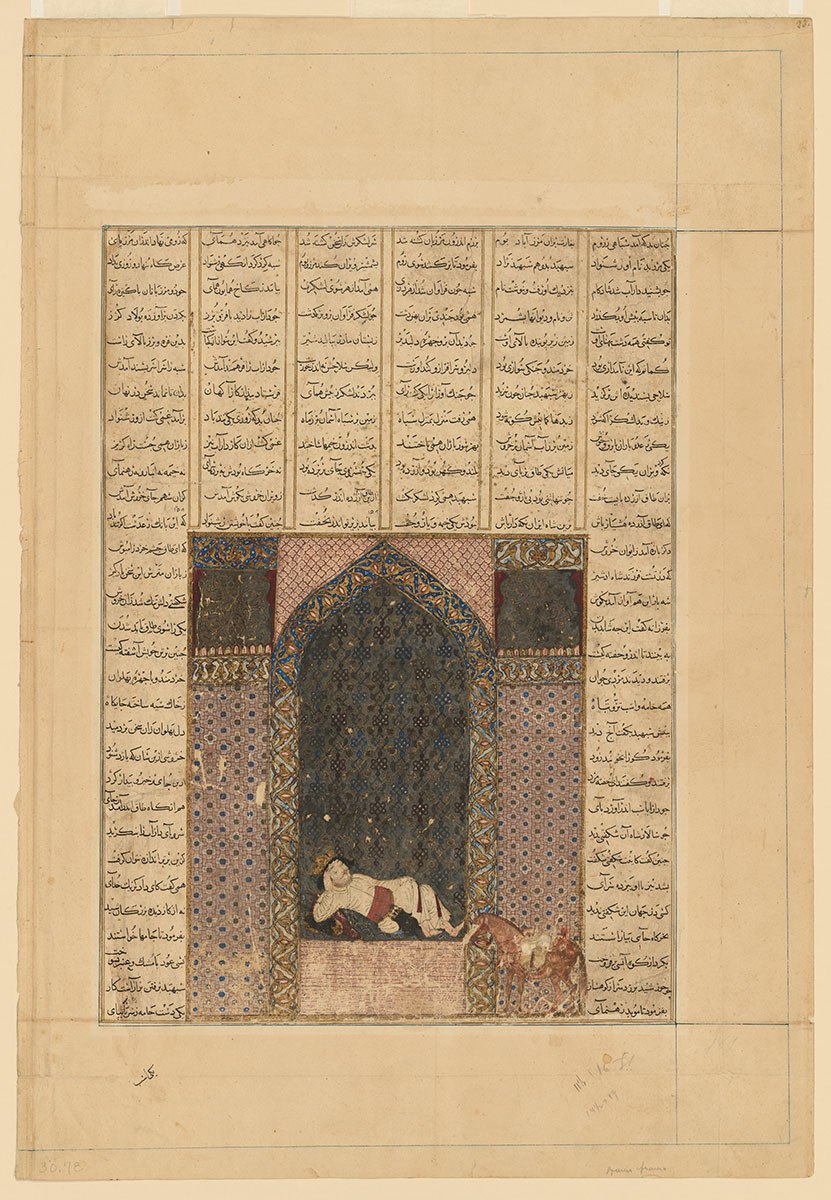
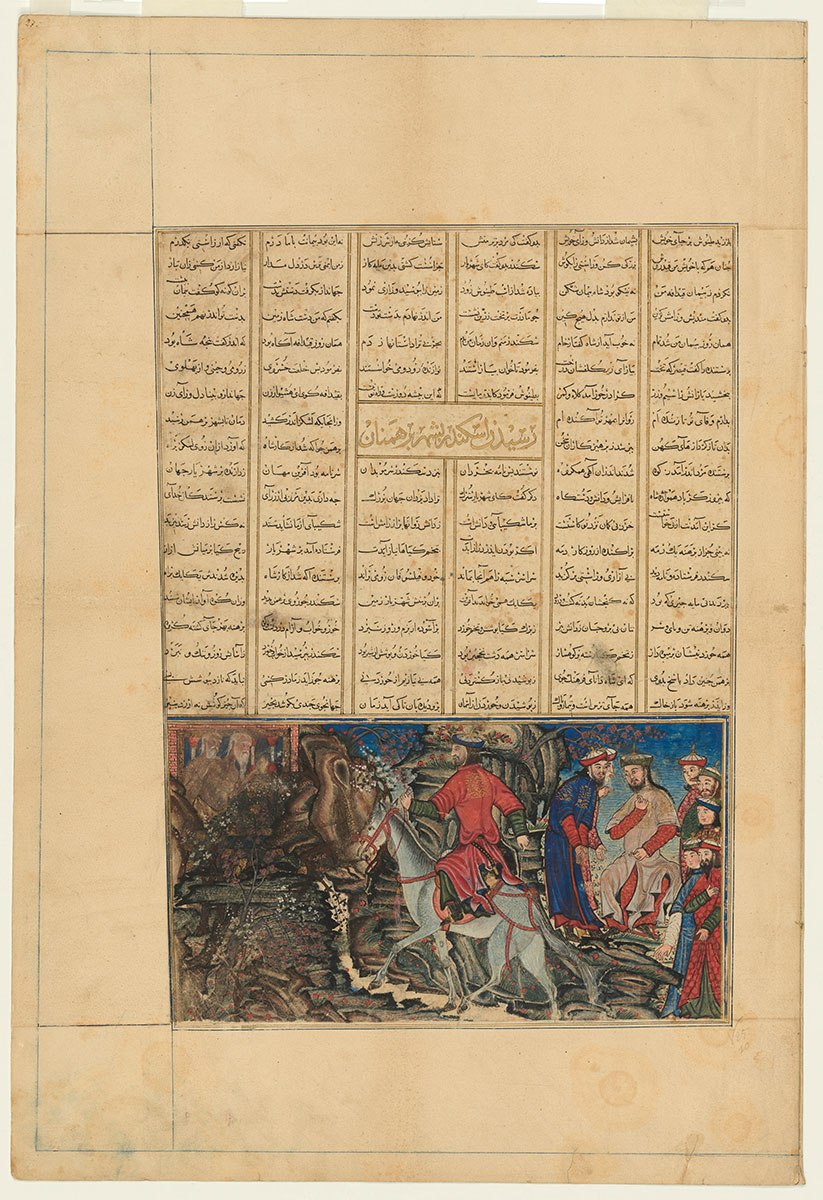
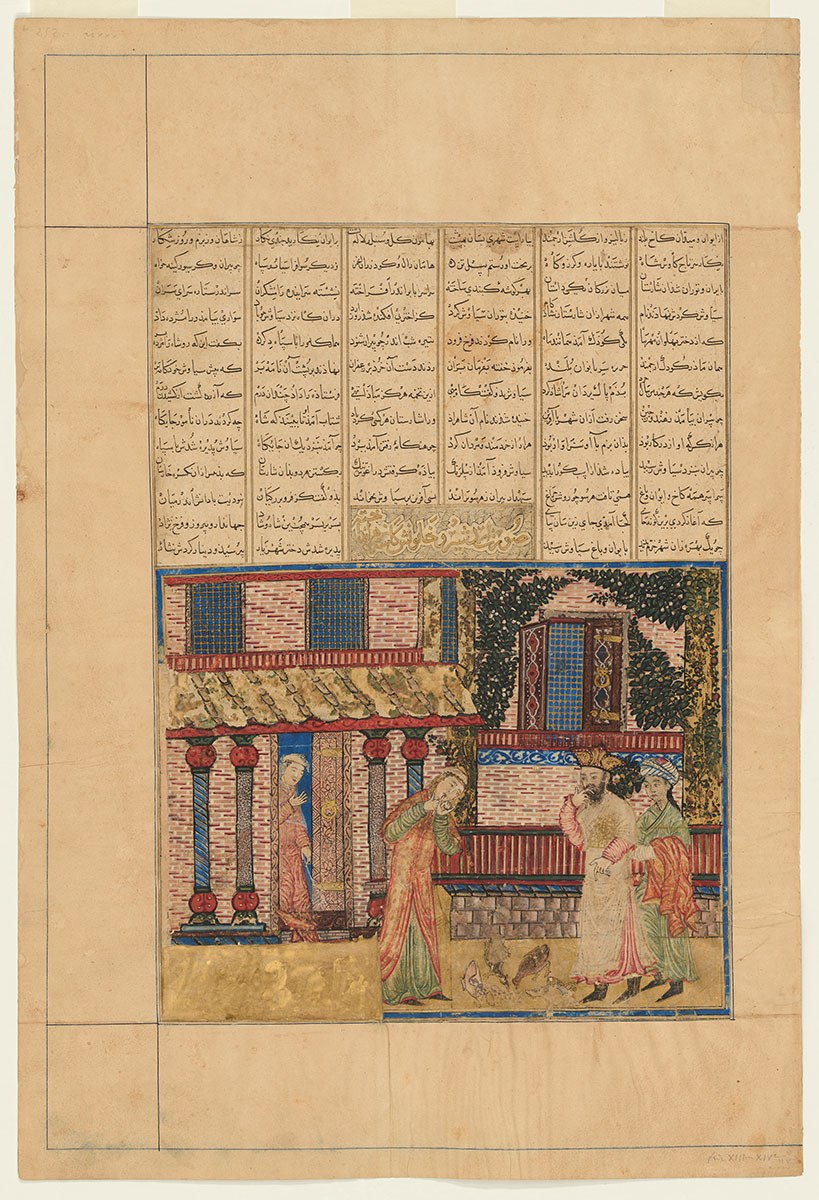
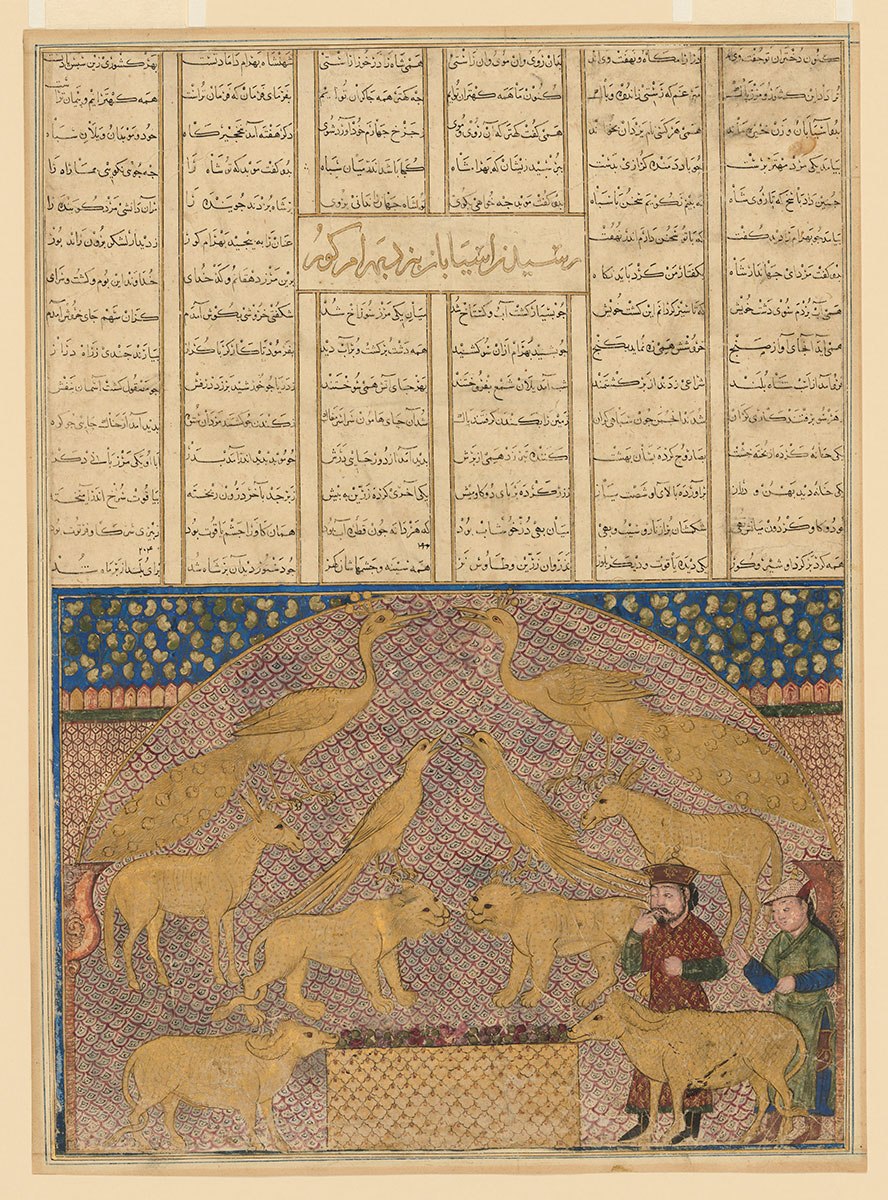
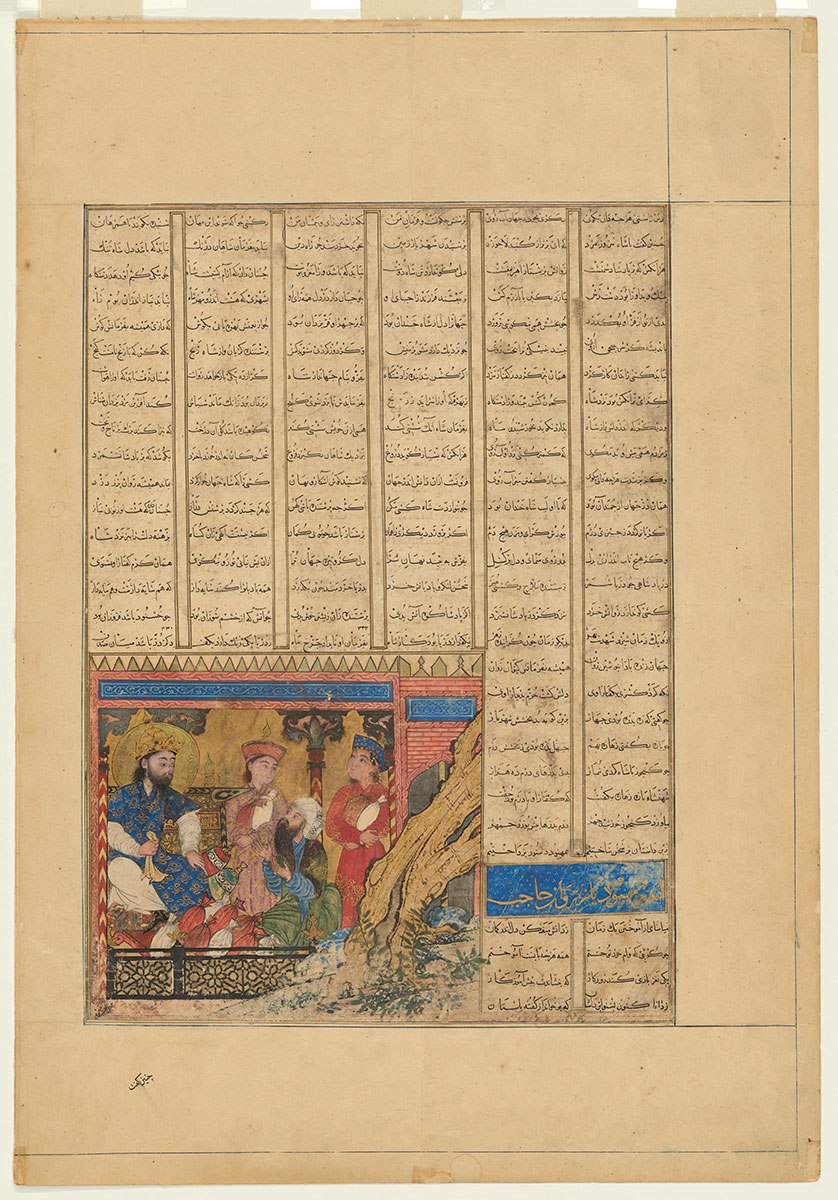
Monumental in size and boldly illustrated, the Great Mongol Shahnama is one of the most celebrated of all medieval Persian manuscripts. Considered Iran’s national epic, the Shahnama (Book of kings) was completed by the poet Firdawsi around 1010. The copy known as the Great Mongol Shahnama was made three hundred years later, likely commissioned by Abu Sa‘id of the Ilkhanid dynasty, a branch of the Mongol Empire that ruled over Iran and West Asia. Between the manuscript’s covers, art, power, and history intertwined.
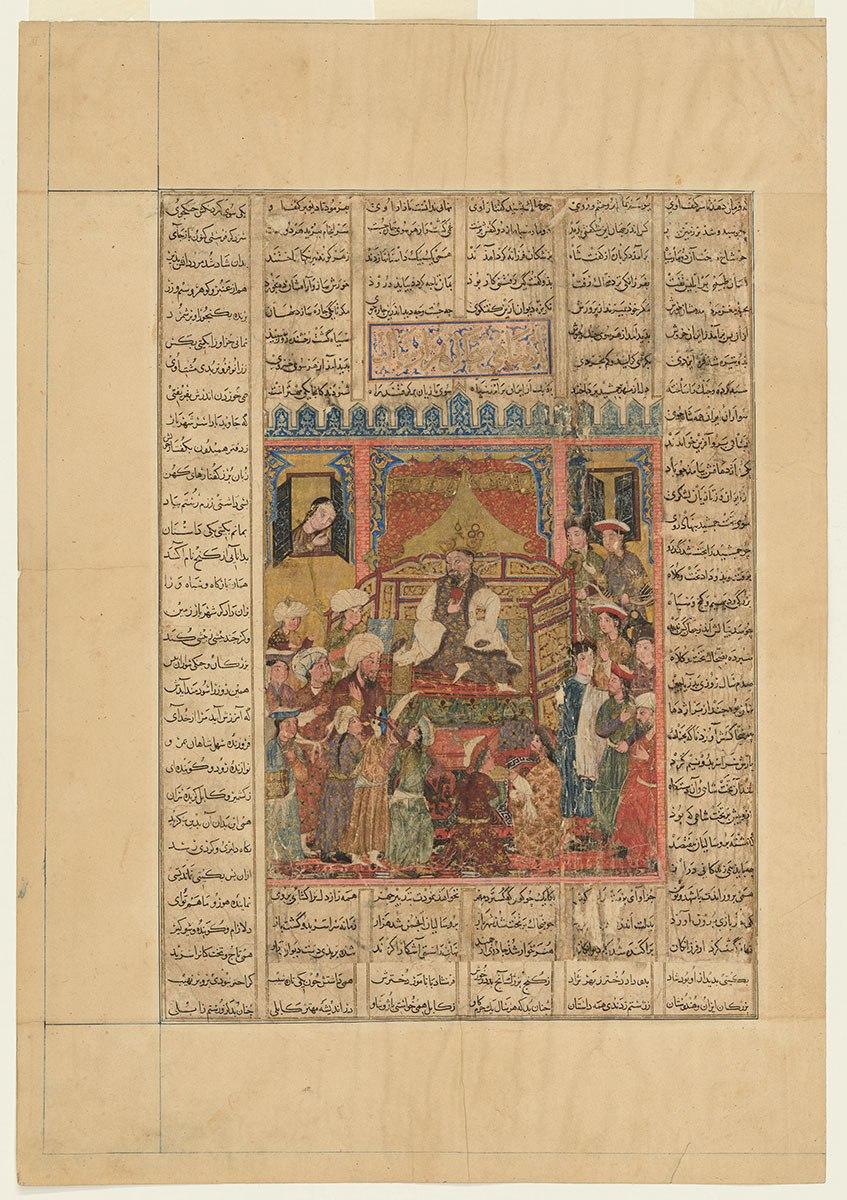
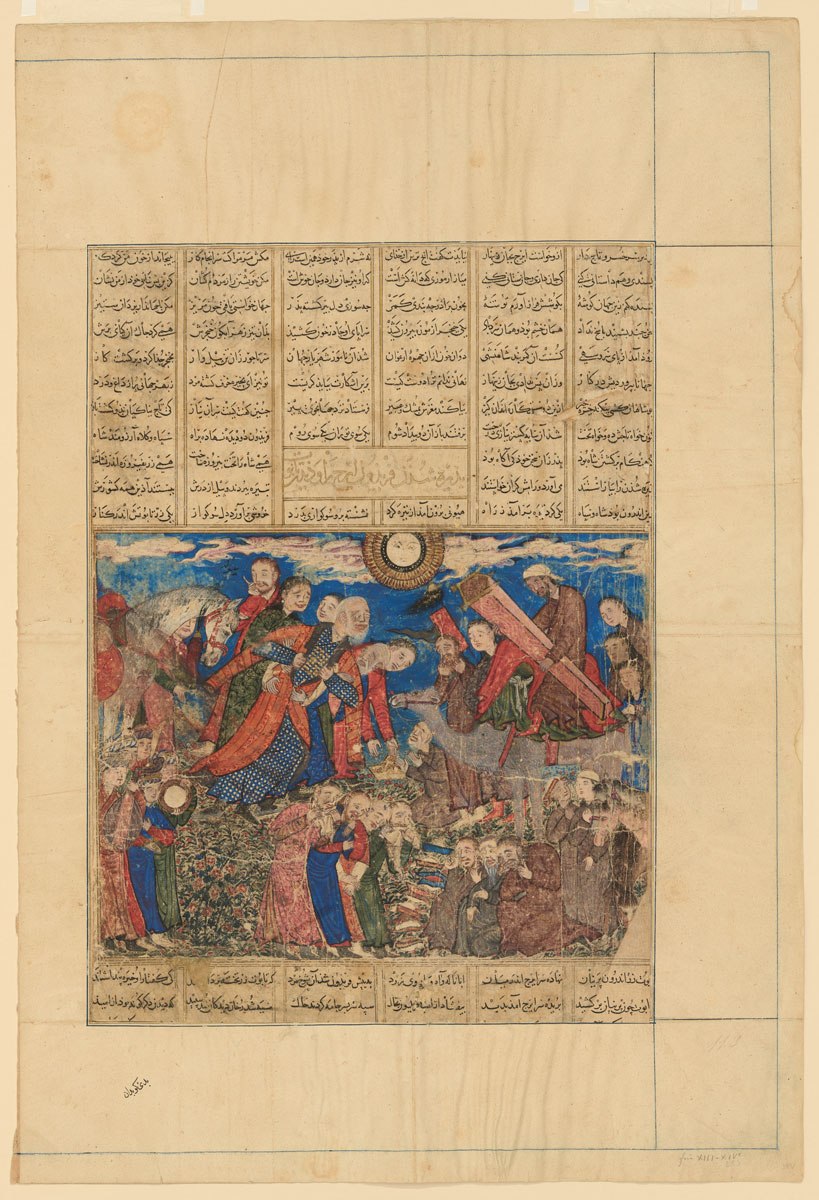
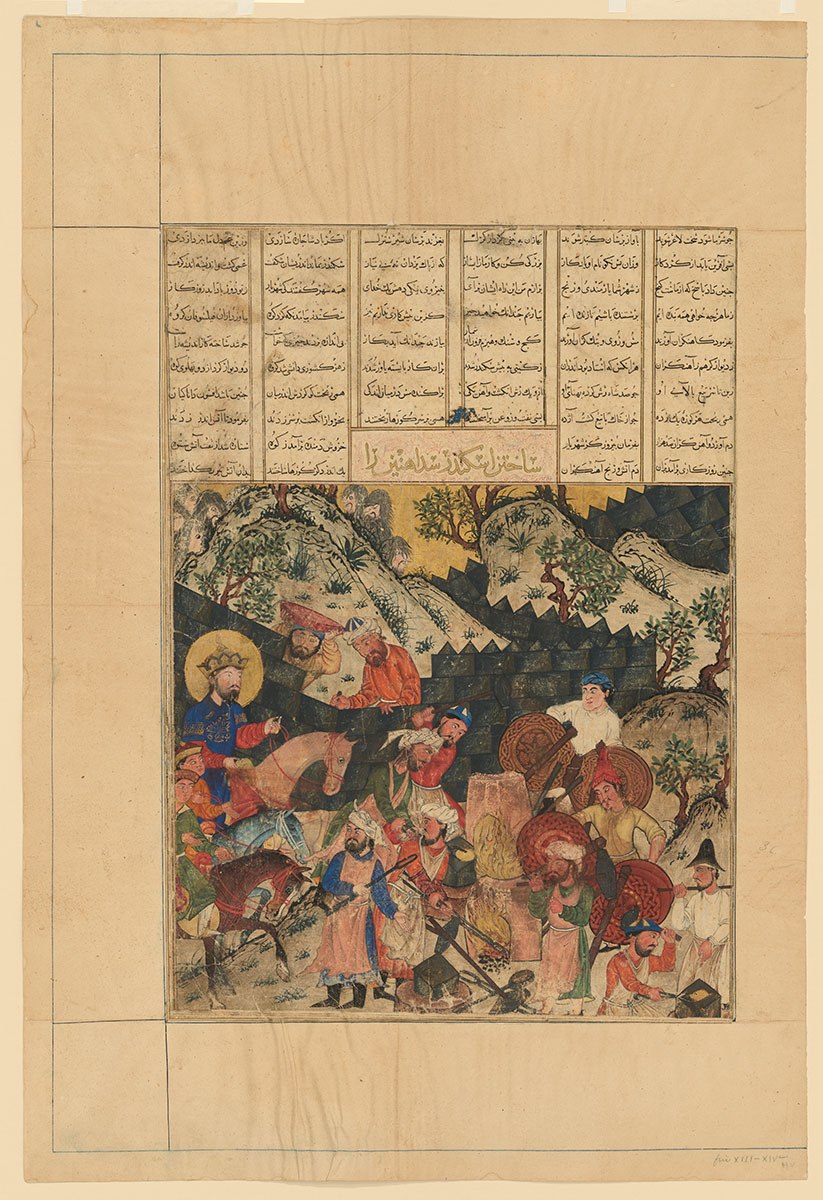
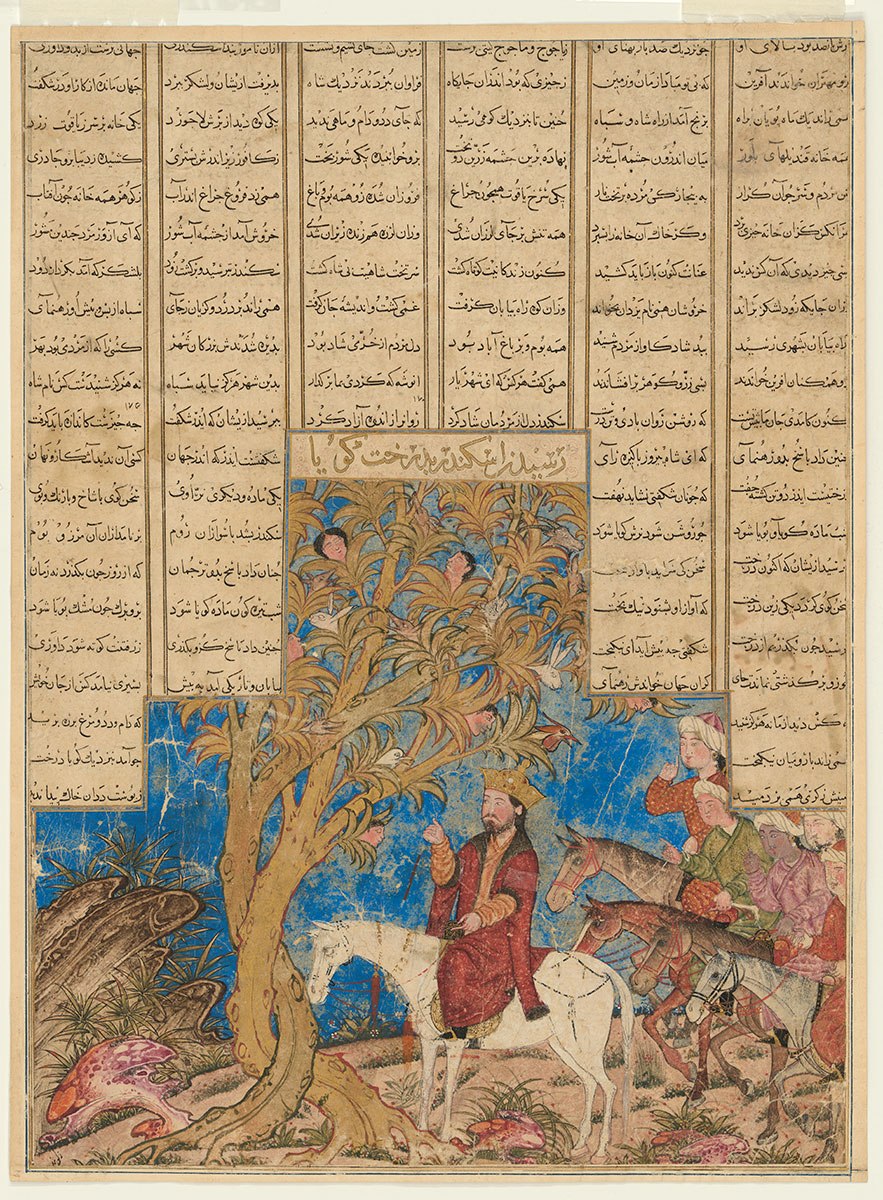
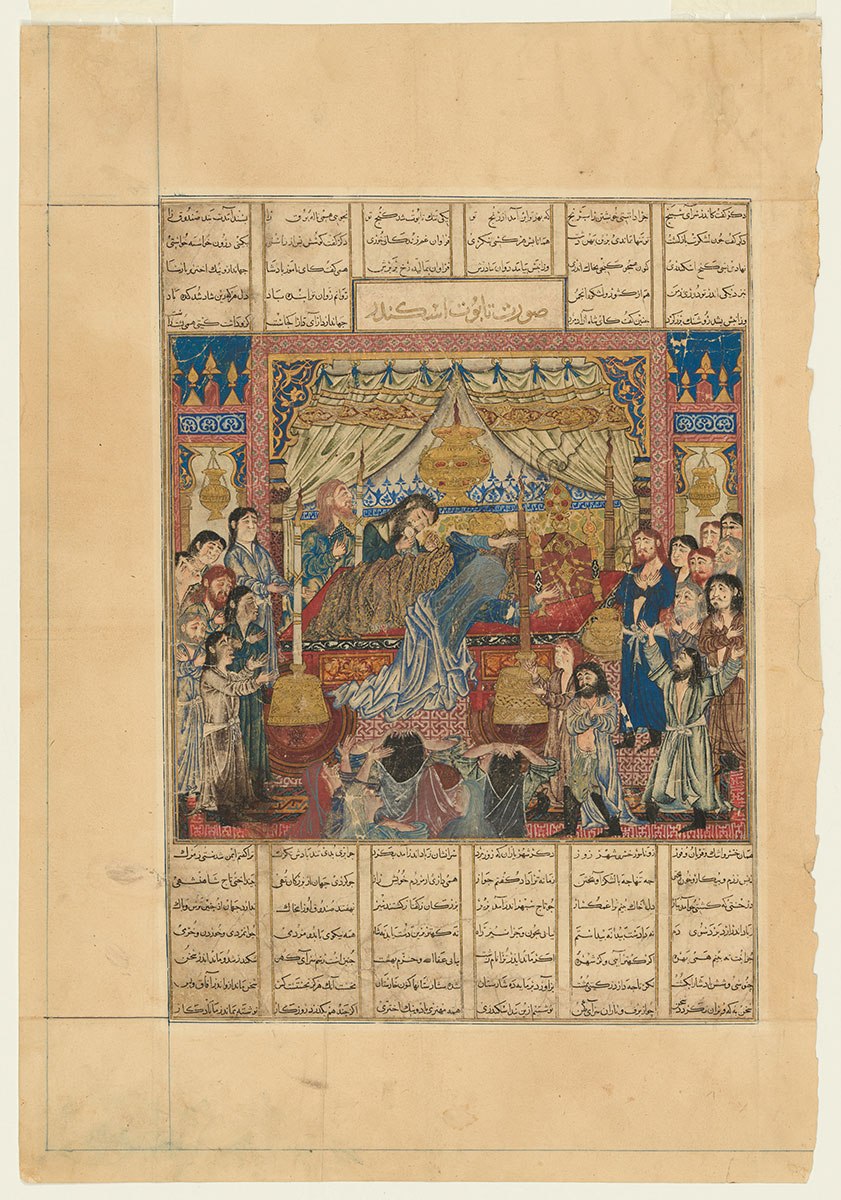
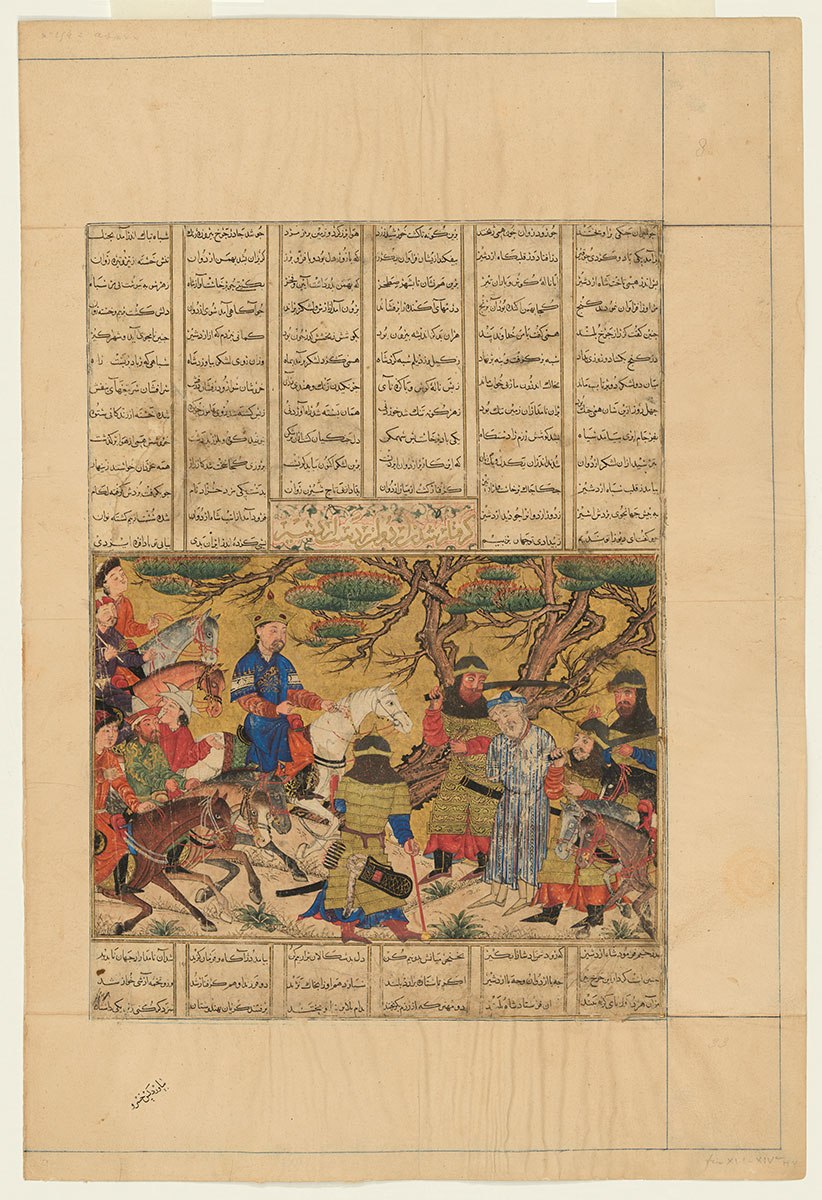
The Shahnama recounts the story of Iran from the beginning of time through the fall of the Sasanian dynasty in the seventh century. The illustrations in the Great Mongol Shahnama emphasize historical kings of Iran’s past, including Alexander the Great, known in Persian as Iskandar, and the pre-Islamic Sasanian monarchs, such as Ardashir I, Bahram Gur (Bahram V), and Kasra Anushirvan (Khusraw I Anushirvan). These figures served as role models to the Ilkhanid rulers, and the manuscript’s impressive paintings demonstrate how the Ilkhanids inserted themselves into Iran’s history.
An Epic of Kings offers a once-in-a-lifetime opportunity to see twenty-five folios from this now dismantled manuscript. It is also the first exhibition to present paintings from the Great Mongol Shahnama alongside contemporaneous works from China, the Mediterranean, and the Latin West. Experience this unique historical moment of cultural exchange across Eurasia—where commodities, people, and ideas circulated like never before—with Iran at its center.
Explore this Exhibition
Folios in NMAA’s Collections
Divided into two volumes, the Great Mongol Shahnama may have originally comprised about 380 folios and over two hundred paintings, but the colossal project was never completed. The manuscript was removed from Iran under obscure circumstances in the early twentieth century. Around 1910, the Belgian art dealer Georges-Joseph Demotte bought the manuscript in Paris from an Armenian dealer. Demotte dismantled the Great Mongol Shahnama and sold its leaves individually. As a result of Demotte’s tragic intervention, the full manuscript was forever lost, and its surviving illustrated folios severely damaged.
The National Museum of Asian Art purchased six folios between 1923 and 1942. In 1986, the Smithsonian acquired the celebrated collection of the French jeweler Henri Vever, which included eight additional paintings from the manuscript. Today, NMAA houses the largest number of folios from the Great Mongol Shahnama in the world. The fourteen folios in the museum’s collections are presented here in order of appearance within the Shahnama’s text.

Shedding Light on the Shahnama
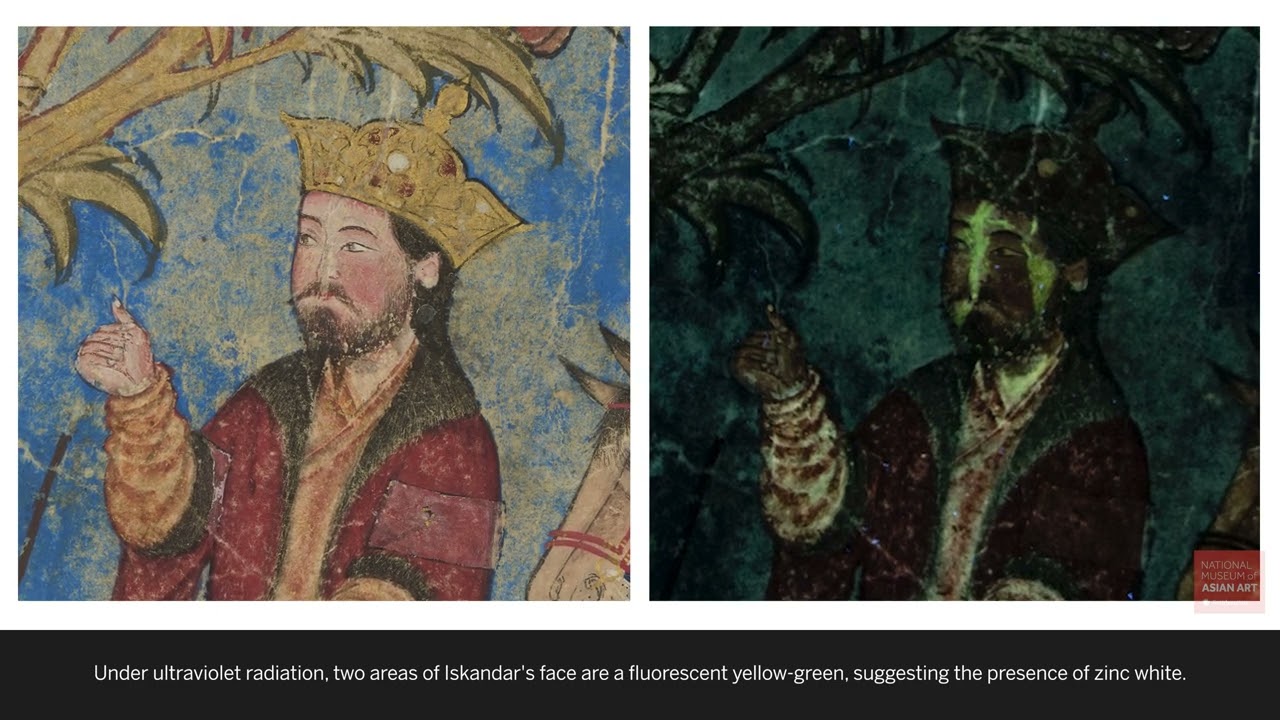
This video highlights recent scientific analysis of the illustrations on the fourteen Great Mongol Shahnama folios in the National Museum of Asian Art’s collections. Scientists used different forms of light to learn more about the pigment composition of the paintings and the creative process of Persian artists in the 1330s. They also identified possible alterations that may have been made centuries later.